
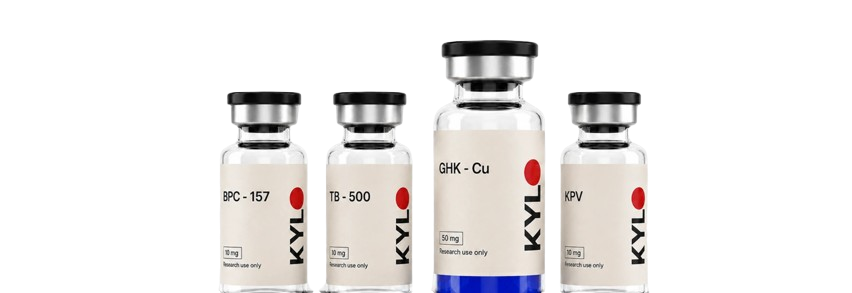
A Research-Focused Look at BPC-157 peptide in 2026
In recent years, the exploration of peptides for therapeutic purposes has gained momentum, particularly with compounds like BPC-157 capturing significant attention. By 2026, research into BPC-157 is expected to have reached new heights, offering insights into its potential applications and mechanisms of action. Derived from a protein found in gastric juices, BPC-157 is lauded for its purported healing properties. The peptide’s ability to promote tissue repair and modulate inflammatory responses has been at the forefront of scientific inquiry.
The primary focus of research in 2026 revolves around understanding how BPC-157 interacts with various biological systems. Studies indicate that this peptide may play a crucial role in angiogenesis—the formation of new musculoskeletalkey.com blood vessels—which is vital for wound healing and recovery from injuries. Researchers are investigating the molecular pathways through which BPC-157 exerts its effects, aiming to identify specific receptors or signaling molecules involved.
Moreover, the anti-inflammatory properties of BPC-157 are under rigorous examination. Chronic inflammation is a common denominator in numerous diseases, including arthritis and inflammatory bowel disease (IBD). Preliminary studies suggest that BPC-157 might help mitigate these conditions by downregulating pro-inflammatory cytokines while promoting anti-inflammatory mediators. As research progresses, clinical trials are anticipated to provide robust data on efficacy and safety profiles across different patient demographics.
Another area garnering interest is the neuroprotective potential of BPC-157. Animal models have demonstrated promising results where administration of this peptide appears to reduce neuronal damage following traumatic brain injury or stroke events. In 2026, researchers are keenly observing whether these findings translate effectively into human studies—a step that could revolutionize treatment protocols for neurological disorders.
Additionally, gastrointestinal health remains a pivotal aspect of BPC-157 research due to its origins from gastric juice proteins. Scientists hypothesize that it could offer therapeutic benefits for conditions like ulcers or Crohn’s disease by reinforcing mucosal barriers within the digestive tract and enhancing cellular regeneration processes.
Despite optimistic prospects surrounding BPC-157’s multifaceted applications, skepticism persists within some scientific circles regarding long-term implications and ethical considerations associated with peptide therapies. Rigorous peer-reviewed studies remain essential to validate anecdotal claims and establish standardized dosing regimens tailored per condition treated.
By 2026’s conclusion—assuming ongoing investigations yield favorable outcomes—BPC-157 might emerge as an integral component within regenerative medicine frameworks globally; however cautious optimism prevails until conclusive evidence substantiates widespread adoption beyond experimental settings alone.